



Cart

Your cart is currently empty.

Sub Total: 0.00
About Image About Image
About Image
About Image
About Image
About Image
Highschoolers read at or below

53%

Understanding the literacy crisis in the US

Economic Impact

Reduced Lifetime Earnings

Social Impact

Low self-esteem
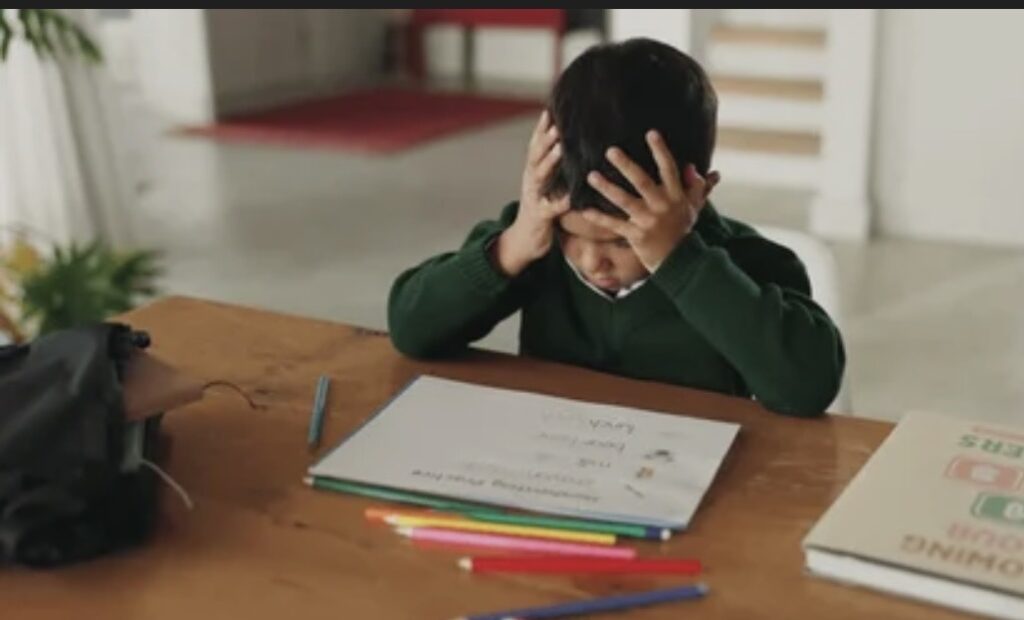
  • The United States is facing a serious literacy crisis. According to the National Assessment of Educational Progress (NAEP), reading scores have continued to decline, with 63% of middle school students and 52% of high school students reading at or below basic levels. Additionally, one in four adults is functionally illiterate, even though many graduated from high school. These rates are lowest in low income communities and affect communities of color higher than their counterparts.

• Reduced Lifetime Earnings: Individuals who cannot read proficiently are often trapped in low-paying, unskilled jobs. The income gap between low-literacy adults (below Level 3) and proficient readers is significant, with non-proficient readers earning over $1 million less over their lifetimes.


  • Lost GDP and Productivity: Low literacy results in a $225 billion to $300 billion annual loss in workforce productivity, as employers struggle to find qualified workers to fill positions that require reading, comprehension, and critical thinking.
  • High Taxpayer Costs: Illiteracy costs American taxpayers roughly $20 billion annually. School dropouts—many of whom are poor readers—cost the nation $240 billion in lost tax revenue and increased social service expenditures.
  • Increased Healthcare Costs: There is a strong link between low literacy and poor health outcomes, adding $106 billion to $238 billion in annual healthcare costs due to an inability to follow medical instructions or navigate health systems.
  • Generational Poverty Cycle: Childhood illiteracy is often intergenerational; 73% of children with undereducated parents live in low-income settings, perpetuating a cycle where low literacy skills are passed down, limiting future economic growth.
  • High Criminal Justice Costs: Low literacy is linked to high rates of incarceration, with 85% of all children involved in the juvenile justice system being functionally illiterate

Annual Lost GDP and Productivity

Billion Dollar

loss in workfore productivity.

$ 300

Billion Dollar

in lost tax revenue

$ 240

Billion Dollar

losses in annual healthcare costs

$ 300

  • Emotional & Mental Health Issues: Non-readers often experience shame, fear, anxiety, and a low self-concept.
  • Behavioral Problems: Students may act out, become defiant, or disassociate due to frustration and inability to keep up, leading to disciplinary actions.
  • Social Isolation: Students may feel “invisible” or ostracized from peers and academia, making it difficult to form healthy relationships.
  • Long-Term Societal Consequences: Lack of proficiency is strongly linked to higher risks of dropping out of school and, subsequently, higher rates of incarceration.
  • Economic Limitations: Poor readers are more likely to be unemployed or underemployed as adults, unable to provide for families, and less likely to pay taxes, negatively impacting the overall economy.
  • Limited Civic Participation: Inability to read hampers informed decision-making, such as reading job applications, medication labels, or participating in democratic processes.
 

  • Emotional & Mental Health Issues: Non-readers often experience shame, fear, anxiety, and a low self-concept.
  • Behavioral Problems: Students may act out, become defiant, or disassociate due to frustration and inability to keep up, leading to disciplinary actions.
  • Social Isolation: Students may feel “invisible” or ostracized from peers and academia, making it difficult to form healthy relationships.
  • Long-Term Societal Consequences: Lack of proficiency is strongly linked to higher risks of dropping out of school and, subsequently, higher rates of incarceration.
  • Economic Limitations: Poor readers are more likely to be unemployed or underemployed as adults, unable to provide for families, and less likely to pay taxes, negatively impacting the overall economy.
  • Limited Civic Participation: Inability to read hampers informed decision-making, such as reading job applications, medication labels, or participating in democratic processes.
 

  • Many struggling students are promoted to the next grade without mastering reading skills due to social promotion policies, testing pressures, and limited school resources. Overwhelmed teachers and lack of specialized intervention leave students without the support they need, especially those with dyslexia, ADHD, and other learning differences.
     
    Low literacy affects every area of life in the US. Despite the need, many families lack access to specialized reading support due to cost or availability. Structured, multisensory approaches like Orton-Gillingham have proven effective, but access remains limited.
    Literacy is more than an academic skill—it is a foundation for opportunity, confidence, and lifelong success. Every person deserves the chance to read, learn, and thrive.
  • Emotional & Mental Health Issues: Non-readers often experience shame, fear, anxiety, and a low self-concept.
  • Behavioral Problems: Students may act out, become defiant, or disassociate due to frustration and inability to keep up, leading to disciplinary actions.
  • Social Isolation: Students may feel “invisible” or ostracized from peers and academia, making it difficult to form healthy relationships.
  • Long-Term Societal Consequences: Lack of proficiency is strongly linked to higher risks of dropping out of school and, subsequently, higher rates of incarceration.
  • Economic Limitations: Poor readers are more likely to be unemployed or underemployed as adults, unable to provide for families, and less likely to pay taxes, negatively impacting the overall economy.
  • Limited Civic Participation: Inability to read hampers informed decision-making, such as reading job applications, medication labels, or participating in democratic processes.

Many struggling students are promoted to the next grade without mastering reading skills due to social promotion policies, testing pressures, and limited school resources. Overwhelmed teachers and lack of specialized intervention leave students without the support they need, especially those with dyslexia, ADHD, and other learning differences.
 
Low literacy affects every area of life in the US. Despite the need, many families lack access to specialized reading support due to cost or availability. Structured, multisensory approaches like Orton-Gillingham have proven effective, but access remains limited.
Literacy is more than an academic skill—it is a foundation for opportunity, confidence, and lifelong success. Every person deserves the chance to read, learn, and thrive.